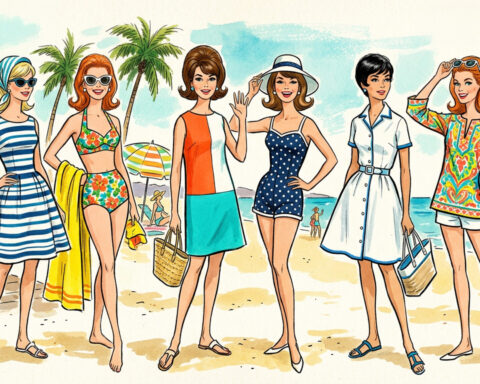

Twiggy’s waiflike silhouette, androgynous Mod aesthetic, and youth‑centric image didn’t just define 1960s fashion — they reshaped global beauty standards, accelerated the rise of the teenage consumer, and cemented the model as one of the world’s first true supermodels.
Who Was Twiggy?
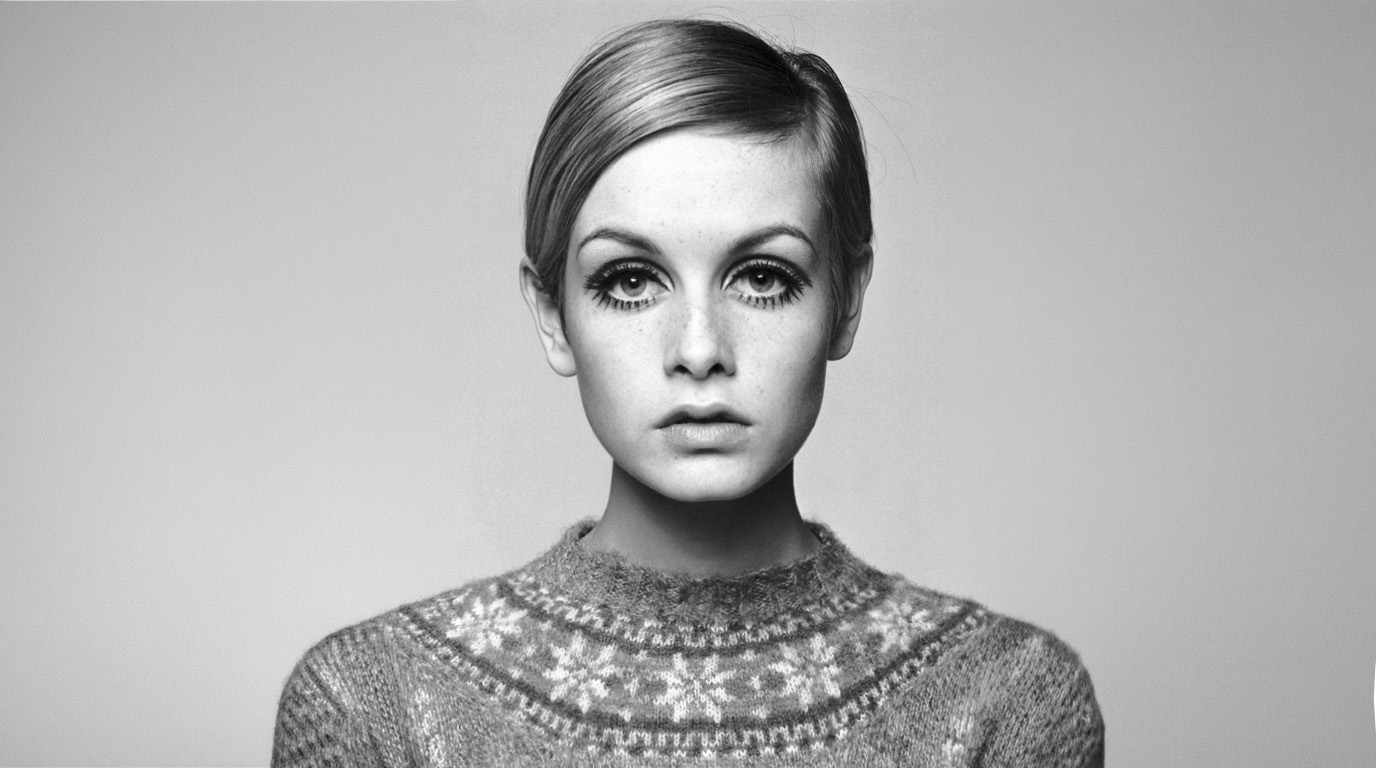
Twiggy — born Lesley Hornby in London in 1949 — emerged at age 16 as “The Face of ’66”, instantly becoming a cultural phenomenon. Her short boyish haircut, painted‑on lower lashes, and coltish frame aligned perfectly with the rising Mod movement and the youthquake of the decade.
Her look was a radical departure from the curvaceous glamour of 1950s models. Instead, she embodied a new aesthetic: childlike, graphic, modern, and accessible. This shift made her relatable to young working‑class girls who were newly empowered as fashion consumers.
The Social Impact of Twiggy in the 1960s
She Became the Face of the Youthquake
The 1960s saw a cultural pivot: teenagers gained purchasing power, and fashion began catering to them. Twiggy’s working‑class background and youthful appearance made her the perfect symbol of this shift. She represented a generation rejecting traditional femininity in favour of rebellion, minimalism, and self‑expression.
She Helped Popularise Androgyny
Twiggy’s slender frame and styling blurred gender lines. Her look aligned with the Mod movement’s unisex silhouettes — straight lines, geometric shapes, and minimal curves. This helped normalise androgynous fashion in mainstream culture.
She Reinforced the Rise of Mass Media Celebrity
Twiggy appeared on twelve magazine covers simultaneously at one point, signalling the birth of the celebrity model — a figure known globally by a single name.
Her image circulated through newspapers, boutiques, and branded products, including the Twiggy doll, making her one of the earliest fashion influencers.
She Shifted Beauty Standards Worldwide
Twiggy’s look — wide eyes, sharp bone structure, and extreme slimness — became aspirational. While celebrated for its modernity, it also sparked decades‑long conversations about body image and the fashion industry’s fixation on thinness.
How Twiggy Represented Fashion of the 1960s
The Mod Look Made Visual
Twiggy embodied the Mod aesthetic:
- Mini skirts
- Bold geometric prints
- Mary Quant dresses
- Coloured tights
- Graphic makeup
Her look was clean, graphic, and futuristic — a perfect match for London’s Swinging Sixties.
Fashion for the Masses
Unlike earlier models trained in elite grooming schools, Twiggy represented a more democratic fashion culture. She wore homemade trousers in early shoots, signalling that style was no longer reserved for the wealthy.
A New Silhouette
Her waiflike frame aligned with rising hemlines and straight‑cut dresses. Designers embraced her proportions, creating clothes that celebrated youth rather than mature glamour.
Twiggy’s Influence on Fashion — Then and Now
The Birth of the Supermodel
Twiggy is widely considered one of the world’s first supermodels — instantly recognisable, globally marketed, and influential beyond the runway.
Enduring Makeup Trends
Her painted‑on lower lashes and doe‑eyed look remain iconic. Modern editorial makeup frequently references her signature style.
Influence on Designers and Pop Culture
Her Mod aesthetic continues to inspire:
- Runway revivals of 1960s silhouettes
- Retro makeup trends
- Pop culture references (e.g., RuPaul’s Drag Race UK, where she appeared as a guest)
A Lasting Legacy in Media
Twiggy transitioned into acting and singing, winning two Golden Globes for The Boy Friend in 1971.
Her multi‑disciplinary career paved the way for models to become entertainers, entrepreneurs, and cultural icons.