
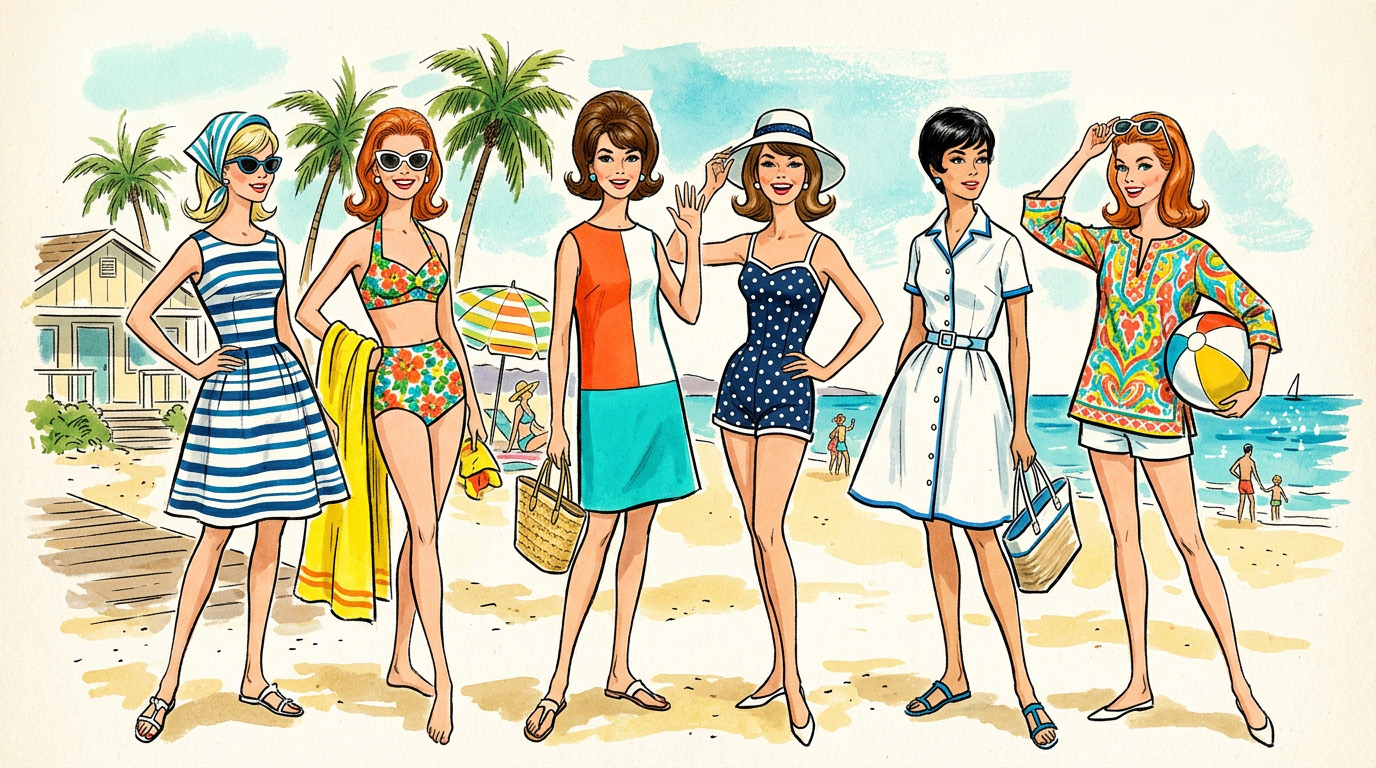

The 1960s was not a decade that evolved—it erupted. Few periods in modern history reshaped clothing so dramatically or so quickly. What people wore became inseparable from what they believed, feared, protested, and hoped for. Fashion was no longer a mirror of society; it became one of its loudest voices.
This was the decade when youth culture seized the cultural microphone, when hemlines rose with political tension, and when clothing became a tool for liberation, rebellion, and identity. To understand 1960s fashion is to understand a generation rewriting the rules of modern life.
Social Forces That Shaped the Decade
Youthquake and the Rise of the Teenager
For the first time in history, young people had spending power—and they used it to reject the styles of their parents. The “Youthquake,” a term coined by Vogue in 1965, captured the cultural shift: fashion was no longer dictated by Paris couture but by teenagers in London, New York, and California.
This shift meant:
- Faster trend cycles
- Cheaper, mass‑produced clothing
- A move away from structured silhouettes toward playful, experimental shapes
Youth culture didn’t just influence fashion; it became fashion.
Second‑Wave Feminism
As women pushed for autonomy, equality, and control over their own lives, their clothing reflected the shift.
Fashion became:
- A rejection of restrictive garments
- A celebration of freedom of movement
- A tool for expressing independence
The miniskirt, in particular, became a lightning rod—seen by some as scandalous, by others as a symbol of liberation. Whether worn for politics or pleasure, it embodied a new relationship between women and their bodies.
Civil Rights, Counterculture, and Anti‑War Movements
The 1960s were politically charged, and clothing became a visual language of solidarity and resistance.
- The Civil Rights Movement influenced natural hair, Afrocentric prints, and pride in Black identity.
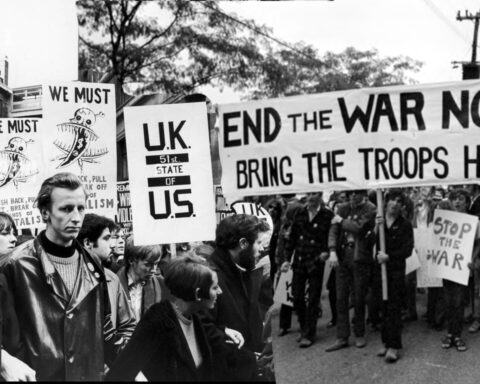
- Anti‑war protests popularised denim, army jackets, and handmade garments as symbols of anti‑establishment values.
- The hippie movement embraced non‑Western textiles, embroidery, and craft as a rejection of mass consumerism.
Fashion became a way to signal what you stood for—sometimes before you even spoke.
Space Age Optimism
The Space Race sparked a fascination with futurism. Designers responded with materials and silhouettes that felt otherworldly.
Think:
- Metallic fabrics
- PVC and plastics
- Geometric shapes
- Monochrome palettes
Clothing became a canvas for imagining the future.
Key Garments That Defined the Era
The Miniskirt
No garment is more synonymous with the 1960s. Rising from knee‑length to mid‑thigh, it symbolised youth, freedom, and rebellion. It was worn with opaque tights, flat shoes, and a sense of possibility.
Shift Dresses
Simple, A‑line, and often in bold colours or graphic prints, the shift dress embodied the decade’s clean, modern aesthetic. It freed the body from the cinched waists of the 1950s.
Go‑Go Boots
White, mid‑calf, and often patent leather, go‑go boots were the footwear of the future. They paired perfectly with miniskirts and geometric dresses.
Mod Suits
For men, the Mod movement introduced slim tailoring, narrow lapels, and sharp silhouettes. The look was clean, confident, and distinctly urban.
Hippie Garments
By the late 1960s, fashion swung toward:
- Bell‑bottoms
- Fringe
- Tie‑dye
- Peasant blouses
- Embroidered denim
These garments reflected a desire for peace, community, and a return to nature.
Key Figures Who Shaped 1960s Fashion
Mary Quant
The face of London’s youth revolution. Quant popularised the miniskirt, hot pants, and playful, accessible fashion. Her boutique, Bazaar, became a cultural landmark.
André Courrèges
The architect of Space Age fashion. Courrèges introduced white boots, geometric dresses, and futuristic materials that defined the decade’s modernist aesthetic.
Pierre Cardin
Cardin pushed boundaries with sculptural silhouettes, unisex clothing, and innovative materials. His work blurred the line between fashion and industrial design.
Twiggy
The world’s first teenage supermodel. Her androgynous frame, cropped hair, and wide‑eyed makeup became the visual shorthand for the Mod era.
The Beatles
Their evolution—from clean Mod suits to psychedelic prints—mirrored the decade’s cultural shifts. They influenced men’s fashion globally.
The Hippie Icons
Figures like Janis Joplin, Jimi Hendrix, and Joan Baez shaped the late‑decade aesthetic with their eclectic, expressive, and often handmade clothing.
What It Meant for Everyday People
Fashion in the 1960s wasn’t just about aesthetics—it changed how people lived.
Clothing Became Affordable and Democratic
Mass production and synthetic fabrics meant fashion was no longer exclusive. Anyone could participate in trends, not just the wealthy.
Self‑Expression Became a Social Norm
People dressed to express:
- Politics
- Sexual freedom
- Cultural identity
- Rebellion
- Optimism
Clothing became a personal manifesto.
Gender Norms Began to Shift
Women wore trousers more openly. Men experimented with colour, pattern, and longer hair. The decade cracked open the idea that clothing must reflect rigid gender roles.
Fashion Became Faster
Trends changed rapidly, driven by youth culture and media. This was the beginning of the modern fashion cycle.
The Legacy of the 1960s
The 1960s reshaped the fashion landscape permanently. It gave us:
- The idea of fashion as self‑expression
- The power of youth culture
- The acceptance of bold colour and pattern
- The normalisation of casualwear
- The belief that clothing can be political
Every decade since has borrowed from the 1960s—whether through the revival of the miniskirt, the return of Mod tailoring, or the cyclical resurgence of hippie aesthetics.


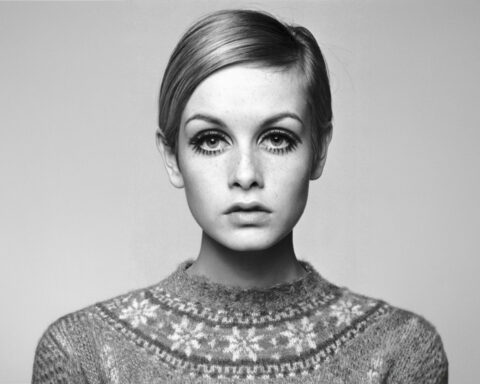

[…] waiflike silhouette, androgynous Mod aesthetic, and youth‑centric image didn’t just define 1960s fashion — they reshaped global beauty standards, accelerated the rise of the teenage consumer, […]
[…] 1960s Anti‑War Movement was one of the most defining cultural forces of the decade. Rooted in the […]