
The Great Depression, beginning with the 1929 stock market crash and stretching through the early 1930s, was one of the most transformative periods of modern history. It wasn’t just an economic downturn — it reshaped how people lived, worked, dressed, and even how they spent their free time. For men and women across the Western world, daily life became a negotiation between scarcity, resilience, and creativity.
This era is essential to understanding the evolution of modern society, and it remains a powerful reference point for fashion historians, cultural researchers, and anyone fascinated by how hardship shapes human expression.
Causes of the Great Depression
The Great Depression did not emerge from a single event — it was the result of several interconnected economic failures that cascaded across the United States and then the world. While historians and economists still debate the precise weight of each factor, several core causes are widely recognised.
The Stock Market Crash of 1929
The dramatic collapse of U.S. stock prices in October 1929 triggered widespread panic. Throughout the 1920s, ordinary Americans increasingly invested in stocks, often buying shares “on margin,” meaning they borrowed money to invest. When prices began to fall, millions rushed to sell, accelerating the crash and shattering public confidence in the economy. This sudden loss of trust caused consumers and businesses to drastically cut spending, leading to reduced industrial output and job losses.
Banking Panics and Monetary Contraction
Between 1930 and 1932, the United States experienced multiple banking panics. As fear spread, depositors withdrew their savings en masse, causing thousands of banks to fail. With fewer functioning banks and a shrinking money supply, credit dried up. Businesses couldn’t borrow, consumers couldn’t spend, and the economy contracted even further. Monetarist economists argue that this severe reduction in the money supply transformed a recession into a prolonged depression.
Collapse in Consumer Spending and Aggregate Demand
A fundamental driver of the Depression was a dramatic decline in spending. As households and businesses cut back, manufacturers saw inventories rise and responded by reducing production and laying off workers. This created a vicious cycle: unemployment reduced spending, which reduced production, which caused more unemployment. This collapse in aggregate demand spread internationally through the gold standard, pulling other countries into the downturn.
Deflation and Debt Burden
As prices fell, the real value of debt increased. Households and businesses found themselves owing more in real terms than before, even as their incomes dropped. This “debt‑deflation” spiral discouraged investment, increased bankruptcies, and deepened the economic crisis.
Policy Mistakes and Tight Monetary Conditions
In the late 1920s, the Federal Reserve raised interest rates to curb stock market speculation. These higher rates slowed construction, automobile purchases, and other interest‑sensitive sectors. When the crash came, the monetary response was insufficient, allowing the downturn to intensify. Some scholars also point to an oversupply of housing in the mid‑1920s, which contributed to a sharp drop in construction just before the Depression began.
How the Depression Changed Everyday Life for Men and Women
Economic Pressure and Shifting Roles
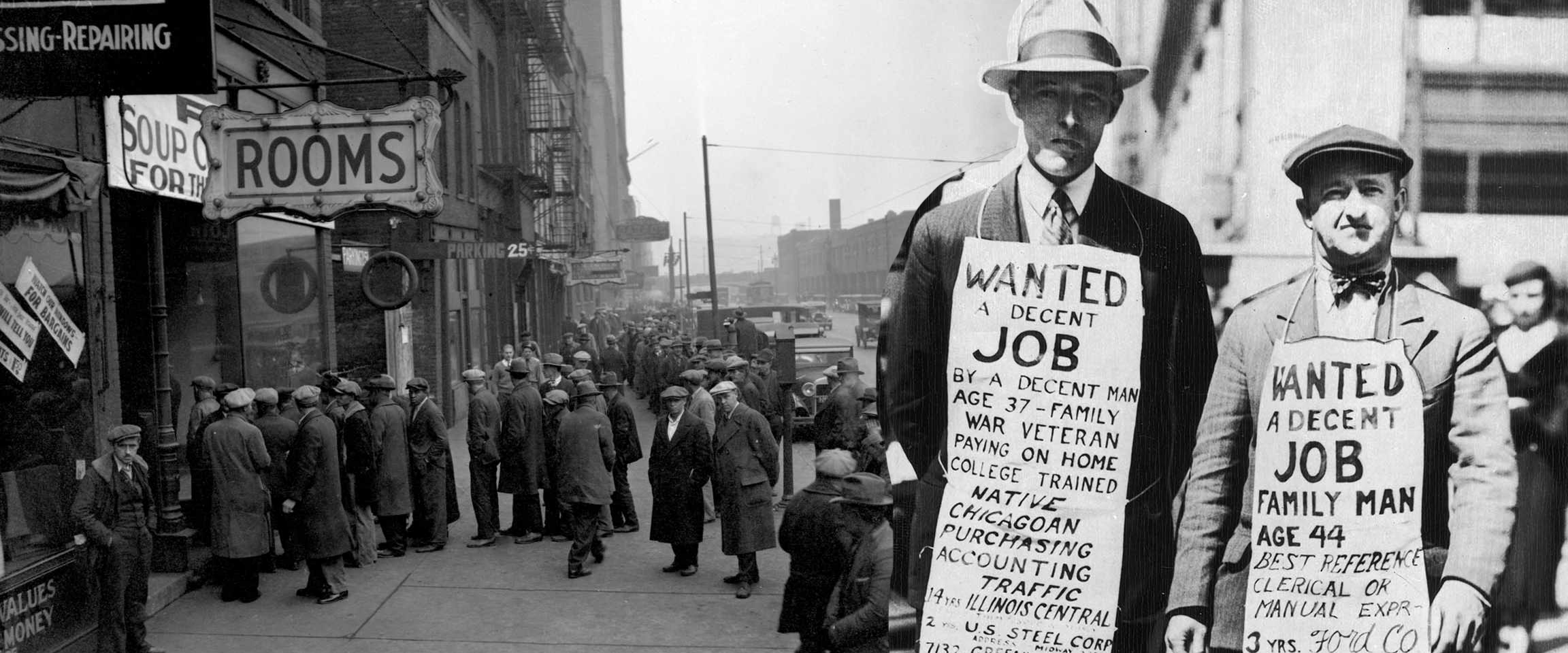
Unemployment soared — in the United States it reached roughly 25%. Families lost savings, homes, and long‑held security. This forced a reconfiguration of gender roles:
- Men often faced the emotional weight of job loss, as traditional expectations placed them as primary breadwinners. Many took on temporary or low‑paid work, travelled for seasonal labour, or queued for relief payments.
- Women stepped into more visible economic roles. Some entered the workforce for the first time, while others stretched household budgets with extraordinary ingenuity — mending, repurposing, gardening, and bartering became everyday survival skills.
Despite hardship, communities became more interdependent. Neighbours shared food, childcare, and skills. Social cohesion strengthened even as financial stability crumbled.
Leisure Time in the 1930s: Escapism, Ingenuity, and Community
Even in crisis, people seek joy — and the 1930s proved that leisure doesn’t disappear during hard times; it adapts.
Affordable Escapism
- Cinema boomed. For a few cents, people could escape into glamorous Hollywood worlds. Stars like Ginger Rogers, Fred Astaire, and Clark Gable became icons of hope.
- Radio became the household companion. Families gathered around broadcasts of music, comedy, news, and serialized dramas.
Low‑Cost Social Activities
- Dancing remained popular, especially marathon dance contests that offered prize money.
- Community events — picnics, church gatherings, sewing circles — provided connection without cost.
- Board games like Monopoly (released in 1935) became staples of home entertainment.
Home‑Based Creativity
With limited disposable income, leisure often turned into practical creativity:
- Sewing and mending
- Gardening and home food production
- Crafting and DIY repairs
This era cemented the idea that leisure could be both enjoyable and resourceful.
Fashion in the Great Depression: Restraint, Ingenuity, and New Silhouettes
Fashion in the 1930s is one of the most fascinating contradictions in style history. While the economy collapsed, elegance flourished — but in a very different form from the lavish 1920s.
Key Shifts in 1930s Fashion
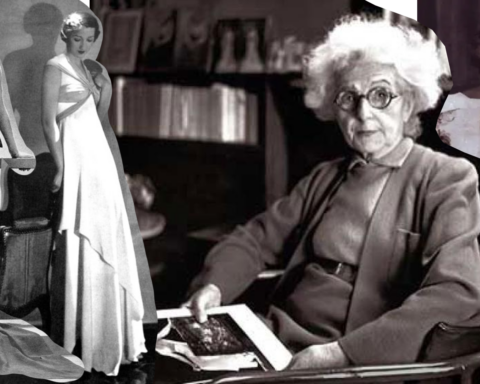
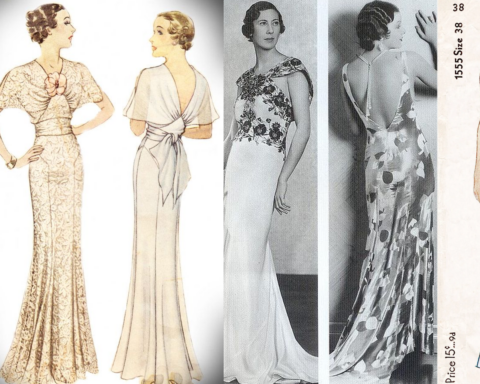
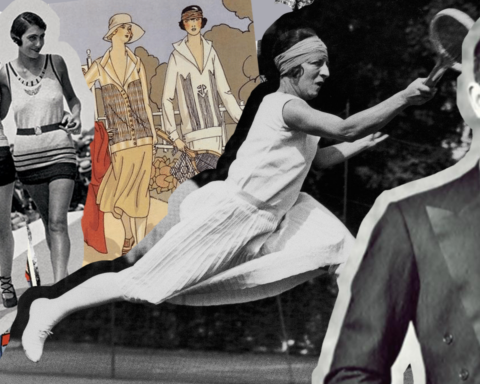
1. From Flapper to Feminine The boyish, drop‑waist silhouette of the 1920s gave way to a more mature, body‑skimming shape. Bias‑cut dresses, pioneered by Madeleine Vionnet, created fluid lines that used less fabric but looked luxurious.
2. Make‑Do-and-Mend Culture Women became experts at:
- Altering older garments
- Repurposing men’s clothing
- Adding decorative touches with minimal materials
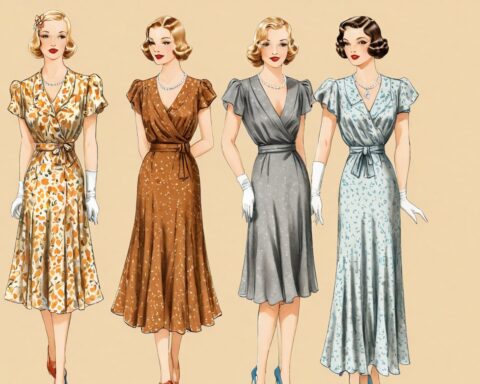
Feed sacks — printed with floral patterns by manufacturers — were famously used to make dresses, aprons, and children’s clothing.
3. Hollywood Influence Even in poverty, people craved glamour. Movie stars shaped trends:
- Soft waves and sculpted hair
- Slim evening gowns
- Tailored suits for men inspired by Clark Gable and Cary Grant
Fashion became aspirational yet practical.
4. Men’s Fashion: Durability Over Novelty Men’s clothing prioritised longevity:
- Dark wool suits
- Sturdy workwear
- Simple shirts and ties
- Leather shoes repaired repeatedly rather than replaced
The overall look was conservative, neat, and understated.
Why the 1930s Still Matter Today
The Great Depression reshaped culture in ways still visible today:
- The rise of sustainable fashion echoes 1930s resourcefulness.
- The popularity of vintage silhouettes — bias cuts, tailored suits, structured shoulders — traces back to this era.
- The concept of affordable escapism through entertainment mirrors modern streaming culture.
- The resilience and creativity of everyday people continue to inspire designers, historians, and storytellers.
The 1930s remind us that even in hardship, style, culture, and community adapt — often in ways that leave lasting beauty.