
The Edwardian era (1901–1910) was a paradox for women: a time of elegance and opulence on the surface, but underneath, intense social pressure dictated how women behaved, dressed, and spent their time. While new technologies, education opportunities, and early suffrage movements hinted at change, most women were still expected to embody domestic virtue, social grace, and rigid femininity.
These pressures shaped everything—from the silhouette of their clothing to the way they filled their days.
Social Expectations and the “Ideal Woman”
Domestic Duty as Identity
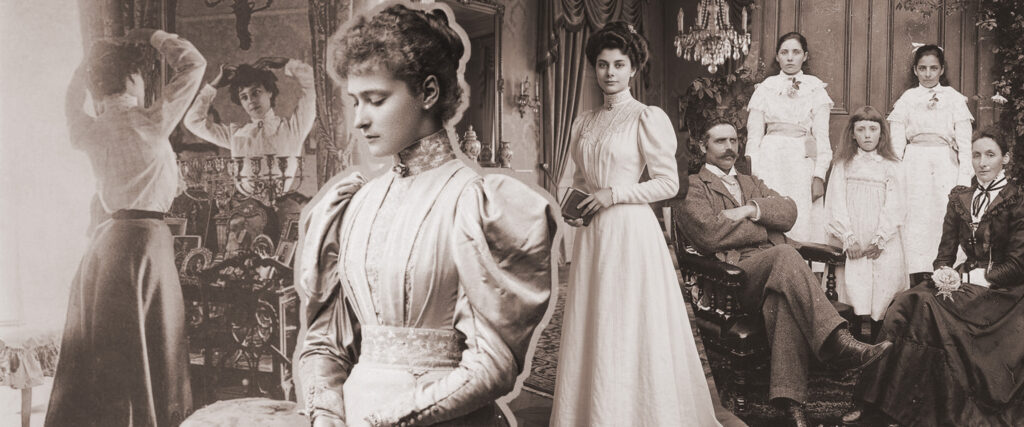
At the start of the century, the social contract for women rested heavily on obedience, family duty, and domesticity. Women were expected to marry, maintain homes, and raise children, regardless of class. Even as urbanisation opened new opportunities, the belief that women belonged in the home remained deeply entrenched.
Class-Based Pressures
Social expectations varied dramatically by class:
- Upper-class women lived in a world of servants, formal social events, and strict etiquette. Their role was to represent family status through refinement and appearance.
- Middle-class women balanced domestic expectations with emerging professional roles such as teaching, clerical work, and healthcare. Yet even professional women faced criticism for stepping outside traditional roles.
- Working-class women often worked long hours in factories or domestic service, then returned home to childcare and housework. Their “leisure” time was limited, and social pressure focused on respectability and survival.
The Rise of the “New Woman”
By the late 19th and early 20th century, a new cultural figure emerged: the New Woman—educated, independent, and self-supporting. She challenged the Victorian ideal of the passive homemaker, sparking debates about women’s roles and morality.
This shift created tension: many women aspired to greater freedom, yet society continued to enforce traditional expectations.
How Social Pressures Shaped Edwardian Fashion
Fashion in the Edwardian era was not just aesthetic—it was a social language. Clothing communicated class, virtue, femininity, and adherence to societal norms.
The S‑Bend Silhouette and Restrictive Beauty Standards
Early Edwardian fashion embraced the S‑bend corset, which thrust the hips back and the bust forward, creating a dramatic, idealised feminine shape. Long skirts, delicate fabrics, and elaborate trims reinforced the expectation that women should appear graceful, fragile, and ornamental.
This silhouette demanded:
- Restricted movement
- Careful posture
- Time-consuming dressing rituals
Fashion became both a discipline and a performance, reinforcing the idea that a woman’s value lay in her appearance.
Class Visibility Through Clothing
Clothing was a marker of status:
- Upper-class women wore custom-made gowns, lace, and couture-inspired pieces.
- Middle-class women followed trends but with more practical fabrics.
- Working-class women often wore durable garments, but even they felt pressure to maintain “respectable” attire in public.
Shifts Toward Practicality
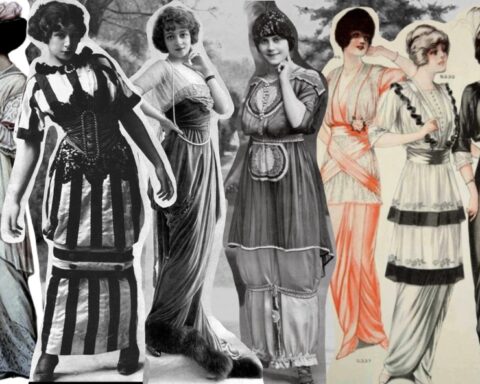
By the 1910s, silhouettes began to loosen. This softening reflected broader social changes—women entering the workforce, participating in sports, and engaging in public life. Fashion slowly adapted to a world where women needed to move more freely.
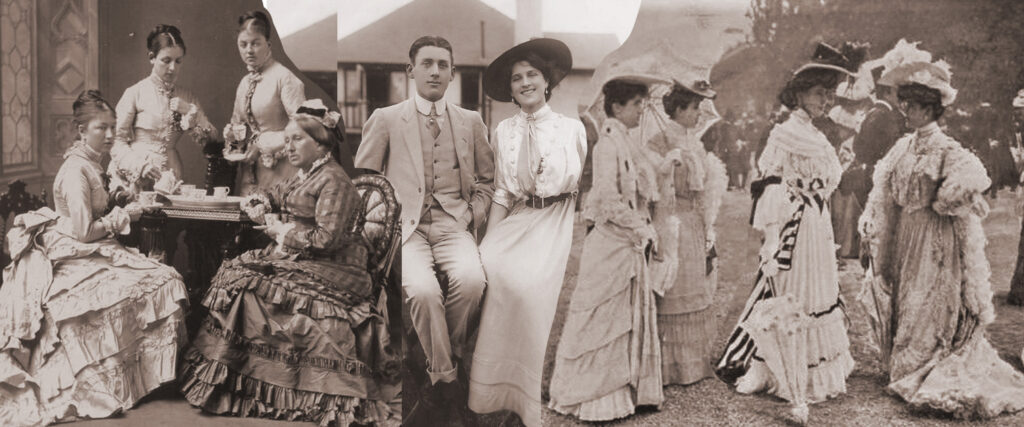
How Social Pressures Shaped Women’s Leisure and Daily Life
Leisure as Social Performance
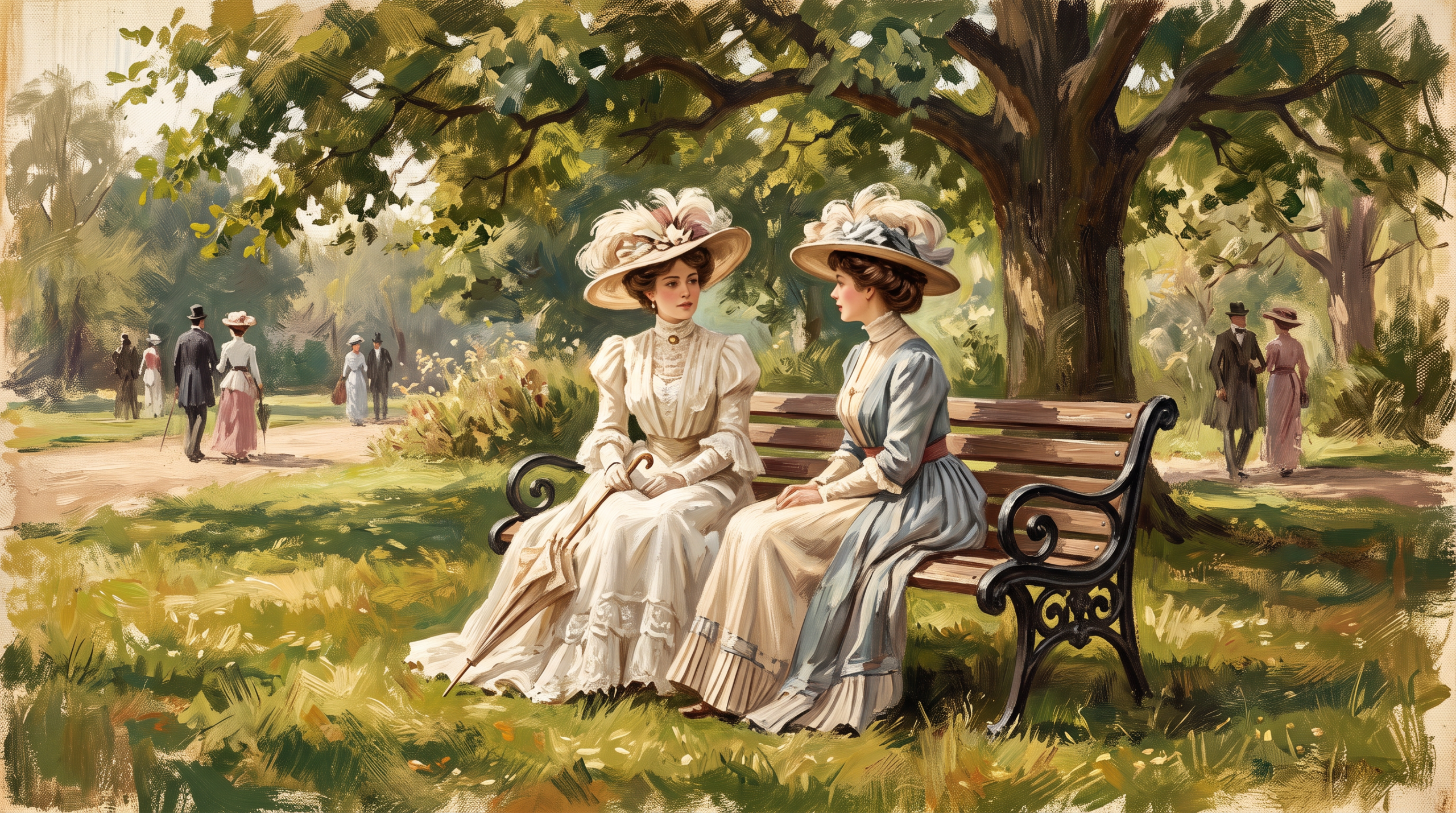
For upper- and middle-class women, leisure activities were often public displays of refinement:
- Afternoon teas
- Garden parties
- Charitable events
- Chaperoned outings
These activities reinforced social networks and class identity. Leisure was not necessarily relaxing—it was a form of social labour.
Limited Autonomy
Even as women gained access to education and certain professions, they were still expected to prioritise domestic responsibilities. Many women who pursued careers faced criticism or workplace hostility—such as male colleagues walking out when a female doctor was appointed in 1901.
Working-Class Realities
Working-class women’s leisure time was scarce. When available, it often involved:
- Community gatherings
- Church events
- Local entertainment
Their time was shaped more by economic necessity than social expectation.
Political Activism as a New Form of Public Life
The suffrage movement gave women a new kind of “leisure”—activism. Tens of thousands of working- and middle-class women joined rallies, marches, and union meetings. This participation challenged traditional expectations and redefined how women spent their time.
The Social Pressures Behind Every Stitch
Edwardian fashion and lifestyle were inseparable from the pressures women faced:
- To appear delicate yet dignified
- To embody domestic virtue
- To maintain class respectability
- To navigate emerging freedoms without violating social norms
These pressures shaped not only what women wore but how they moved, socialised, worked, and imagined their futures.
The Edwardian Woman at a Crossroads
The Edwardian era was a moment of transition—women stood between the weight of tradition and the pull of modernity. Social pressures dictated much of their lives, but cracks were forming in the old order. Through fashion, work, activism, and daily life, Edwardian women negotiated their identities in a rapidly changing world.
Their choices—restricted yet evolving—laid the groundwork for the dramatic social and fashion revolutions that would follow.