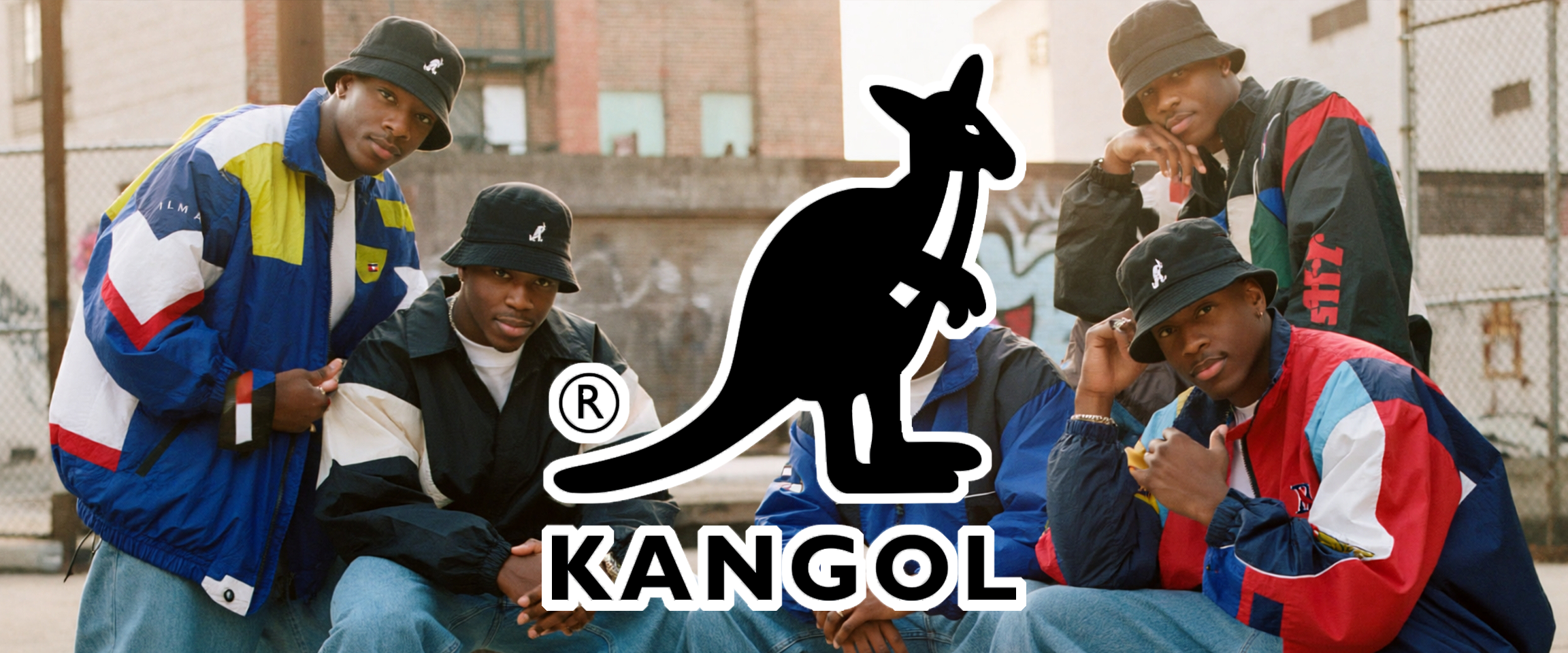

Few fashion accessories are as closely associated with 1990s street style as the Kangol hat. Whether it was worn tilted to the side by hip-hop artists, paired with oversized sportswear, or incorporated into casual everyday fashion, Kangol became one of the defining headwear brands of the decade. The brand’s signature bucket hats, berets, and flat caps transcended traditional fashion boundaries and became symbols of music, youth culture, and individuality.
Today, vintage Kangol hats remain highly sought after by collectors and fashion enthusiasts who appreciate their unique connection to one of the most influential eras in modern style.
A Brief History of the Kangol Company
Kangol was founded in the United Kingdom in 1938 by Jacques Spreiregen. Initially, the company focused on producing high-quality headwear for workers, military personnel, and everyday consumers. During World War II, Kangol supplied berets to the British Armed Forces, helping establish its reputation for craftsmanship and durability.
The brand’s name is often said to derive from three elements: “K” from knitting, “ANG” from angora, and “OL” from wool. Over the decades, Kangol evolved from a practical hat manufacturer into a globally recognized fashion label. By the 1980s and 1990s, the company had successfully transitioned into popular culture, becoming a favorite among musicians, artists, and trendsetters around the world.
Why Were Kangol Hats So Popular in the 1990s?
Strong Association with Hip-Hop Culture
One of the biggest reasons for Kangol’s popularity was its close connection to hip-hop. During the late 1980s and throughout the 1990s, influential rap artists embraced the brand as part of their signature look. Kangol hats represented authenticity, confidence, and urban style, helping wearers express their identity within the growing hip-hop movement.
A Unique Alternative to Traditional Caps
While baseball caps dominated sportswear fashion, Kangol offered something different. Bucket hats and berets provided a more distinctive and fashion-forward appearance, allowing individuals to stand out while maintaining a casual aesthetic.
High Quality and Recognizable Design
Kangol hats were known for their premium materials and excellent construction. The iconic Kangaroo logo became instantly recognizable, creating strong brand appeal. Wearing a Kangol hat signalled an understanding of contemporary fashion trends and cultural influences.
Cross-Cultural Appeal
Unlike many fashion brands that appealed to a single audience, Kangol found fans across multiple communities. From hip-hop artists and DJs to British casuals and streetwear enthusiasts, the brand enjoyed widespread popularity in both the United States and Europe.
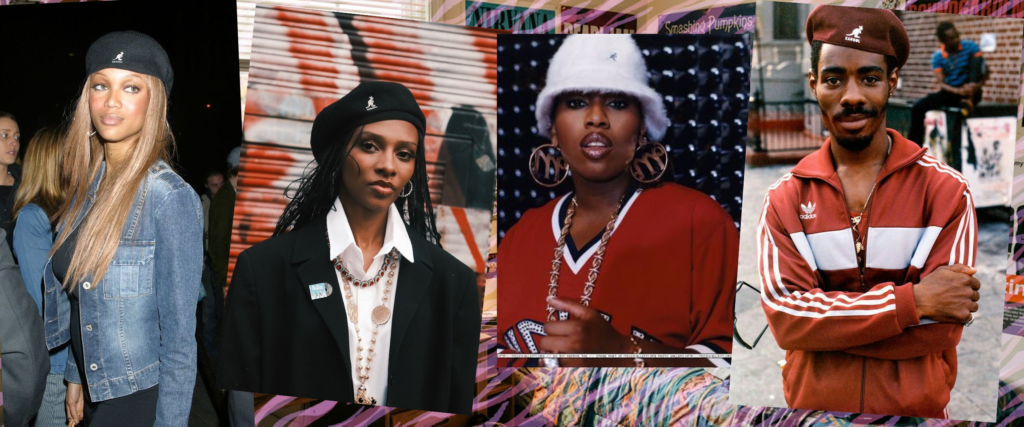
Which Subcultures Wore Kangol Hats?
Hip-Hop Community
The most famous Kangol wearers came from the hip-hop scene. Rappers, DJs, producers, and fans adopted the brand as a key element of their style. Bucket hats, in particular, became synonymous with the golden age of hip-hop.
Streetwear Culture
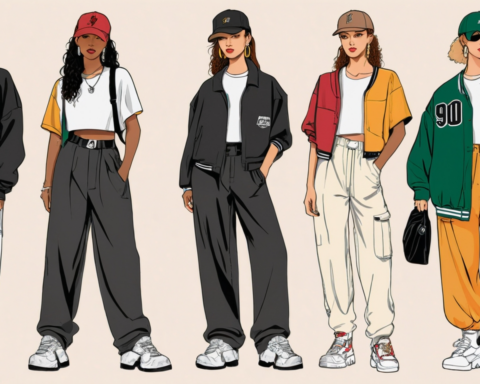
As streetwear emerged as a dominant fashion movement in the 1990s, Kangol hats became a staple accessory. They complemented oversized jeans, tracksuits, graphic tees, and athletic footwear, helping define the era’s aesthetic.
Dance and Club Scenes
Many DJs and performers in dance music, house, and club culture incorporated Kangol hats into their wardrobes. The hats offered a blend of style and individuality that fit perfectly within nightlife and music communities.
British Casual and Urban Fashion
In the UK, Kangol had already established a strong following among fashion-conscious youth. The brand’s roots in British style made it especially popular among casuals, music fans, and urban trendsetters.
Celebrities Who Made Kangol Famous
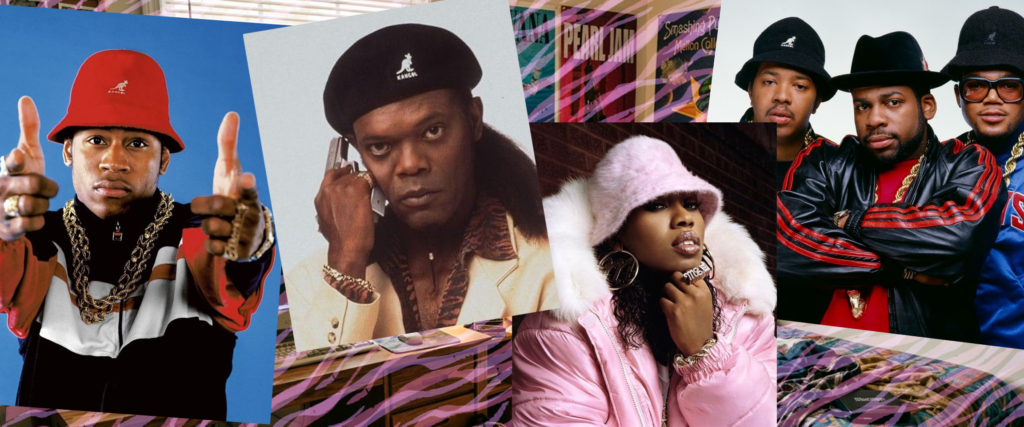
LL Cool J
No celebrity is more closely associated with Kangol than LL Cool J. Throughout the 1980s and 1990s, he frequently wore Kangol bucket hats in music videos, public appearances, and album promotions. His influence helped elevate the brand from a fashion accessory to a cultural icon.
Samuel L. Jackson
Although much of his Kangol fame came slightly later, actor Samuel L. Jackson became one of the brand’s most recognizable ambassadors. His extensive collection of Kangol hats helped introduce the brand to new generations of fans.
Run-D.M.C.
The pioneering hip-hop group helped popularize Kangol headwear during the genre’s formative years. Their influence on urban fashion carried into the 1990s and reinforced Kangol’s status within hip-hop culture.
The Notorious B.I.G.
Biggie’s sophisticated street style often included fashionable hats and premium brands, contributing to Kangol’s visibility throughout the decade.
Jam Master Jay
As a member of Run-D.M.C., Jam Master Jay helped establish many of the fashion conventions associated with early hip-hop, including the adoption of Kangol hats.
Missy Elliott and Other 1990s Artists
Many R&B and hip-hop performers incorporated Kangol headwear into stage performances, music videos, and photo shoots, helping the brand remain relevant throughout the decade.
The Lasting Legacy of 1990s Kangol Hats
The popularity of Kangol hats in the 1990s was about more than fashion. The brand became a symbol of musical innovation, youth culture, and self-expression. Whether worn by rap legends, DJs, or everyday trendsetters, Kangol represented a unique blend of British heritage and urban street style that resonated with millions of people around the world.
Today, vintage Kangol bucket hats, berets, and flat caps continue to inspire modern streetwear trends. Their enduring appeal demonstrates how a simple accessory can become a powerful cultural statement and remain relevant decades after its peak popularity.
In the world of 1990s fashion, few accessories left a bigger mark than the Kangol hat. For many, it wasn’t just a hat, it was a symbol of an era.