
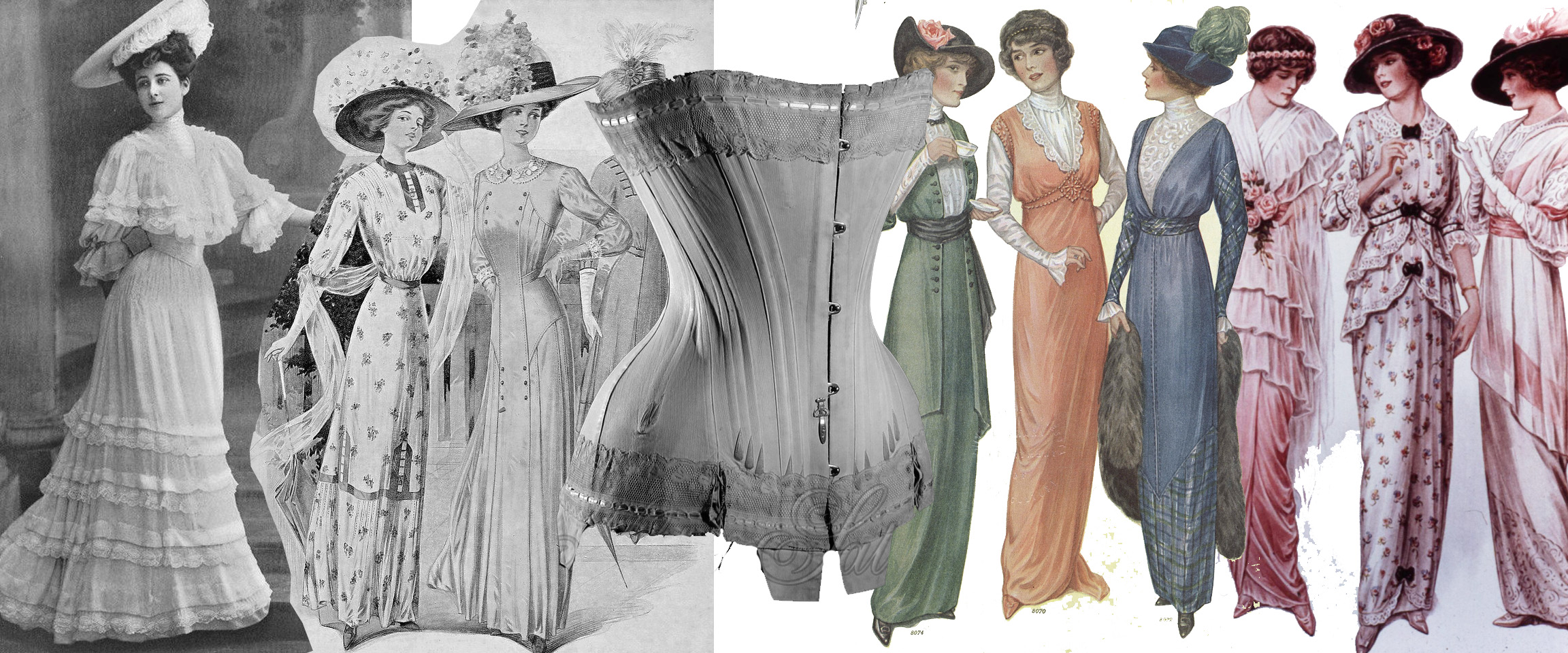

The 1910s didn’t explode with rebellion — they slipped into modernity. And one of the most radical shifts of the decade happened not with a hemline or a color, but with the waist. After centuries of cinching, shaping, and constricting, women finally began to abandon the corset and embrace a silhouette that allowed the body to exist without architectural intervention.
This wasn’t just a change in clothing. It was a cultural pivot.
The Cultural Spark: Why Women Let Go of the Corset
The de‑emphasized waist of the 1910s emerged from a collision of social change, artistic innovation, and one designer who decided the corset had overstayed its welcome.
Paul Poiret: The Designer Who Declared the Corset Dead
Poiret didn’t invent comfort, but he did popularize it. His designs — long, columnar, often inspired by Eastern dress — rejected the hourglass entirely. He believed fashion should follow the natural line of the body, not force it into an engineered shape.
But Poiret was responding to something bigger.
Modernism Was Reshaping Everything
Art, architecture, and literature were shedding ornamentation in favor of clean lines and simplified forms. Fashion followed suit. The exaggerated curves of the Belle Époque suddenly felt old‑world, almost theatrical.
Women’s Lives Were Changing
More women were working, moving through cities, riding bicycles, participating in civic life. Clothing needed to allow movement. A rigid corset didn’t fit the rhythm of modern life.
Physical Culture and Health Movements
Early wellness movements promoted natural posture, exercise, and bodily freedom. The corset became associated with outdated ideas about fragility and constraint.
New Materials Made Structure Optional
Soft, supportive undergarments and improved fabrics made it possible to shape the body gently rather than forcefully.
Together, these forces made the straight, softened silhouette feel not just fashionable — but inevitable.
What the 1910s Silhouette Actually Looked Like
The waist didn’t disappear overnight. It simply blurred.
- Dresses fell in long vertical lines from shoulder to hem
- Waists were raised just under the bust or dropped slightly below the natural waist
- Fabrics draped rather than clung
- Underpinnings became soft, flexible, and lightly structured
- Eastern influences introduced kimono‑like looseness and fluidity
The result was a silhouette that felt artistic, modern, and radically different from the rigid hourglass of the previous decades.
Resistance: Who Fought the Change?
Not everyone welcomed the new freedom.
Corset Manufacturers
Entire industries depended on the old silhouette. They campaigned aggressively to preserve the corset’s cultural importance.
Traditionalists
Many believed a defined waist was essential to femininity, respectability, and proper posture.
Medical Authorities
Surprisingly, some doctors argued that abandoning corsets would harm women’s internal support — a belief rooted more in tradition than anatomy.
Older Generations
Women who had worn corsets their entire lives often felt “undressed” without them.
Fashion Conservatives
Critics accused Poiret and other modernists of destroying elegance and replacing it with shapelessness.
Despite the pushback, the momentum toward comfort and modernity was too strong to reverse.
How This Shift Changed Fashion Forever
The softened waist of the 1910s was a hinge moment — a quiet revolution that set off a century of change.
It paved the way for the 1920s flapper silhouette
The boyish, dropped waist of the Jazz Age would have been unthinkable without the 1910s loosening the rules.
It normalized movement
Clothing became something you could live in, not just pose in.
It introduced fashion as artistic expression
Designers began to think like artists, not just dressmakers.
It opened the door for sportswear
By mid‑century, comfort and practicality were central to women’s wardrobes.
It permanently weakened the corset industry
Structured undergarments became optional, not mandatory.
It marked the beginning of bodily autonomy in fashion
Women began dressing the body they had, not the one society demanded.
A Silhouette That Signaled Modernity
The 1910s didn’t shout their revolution — they whispered it through draped fabric, softened lines, and a waist that no longer needed to be the center of everything. In letting go of the corset, women stepped into a new relationship with their bodies and their clothing.
The decade didn’t just change fashion. It changed the possibility of fashion.
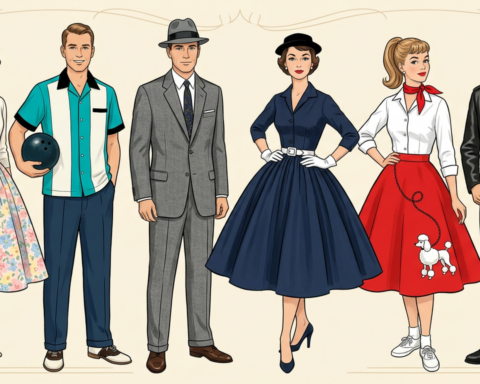
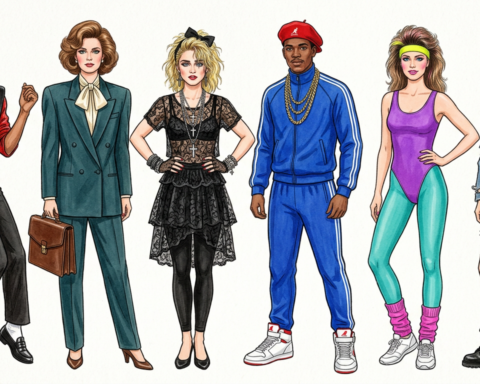



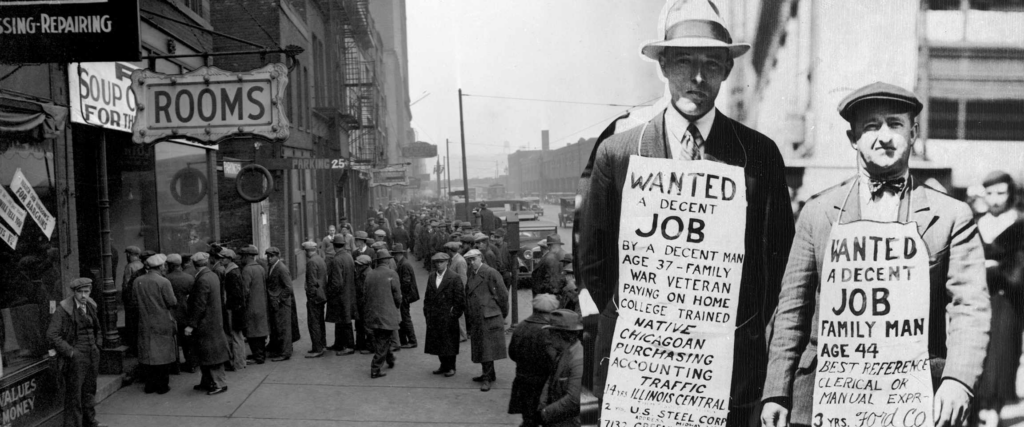
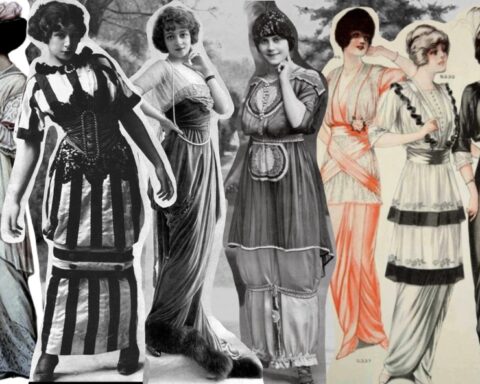
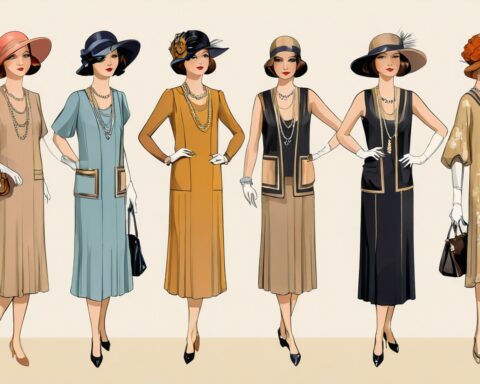


[…] A shift away from corsetry — As women abandoned the rigid S‑curve corset, the body needed a new line. The hobble skirt offered one. […]
[…] Silhouettes:Inspired by Classical Greece and the work of couturier Paul Poiret, these designs de-emphasized the waist and corsetry. Dresses flowed from just under the bust, creating a more natural and graceful line […]