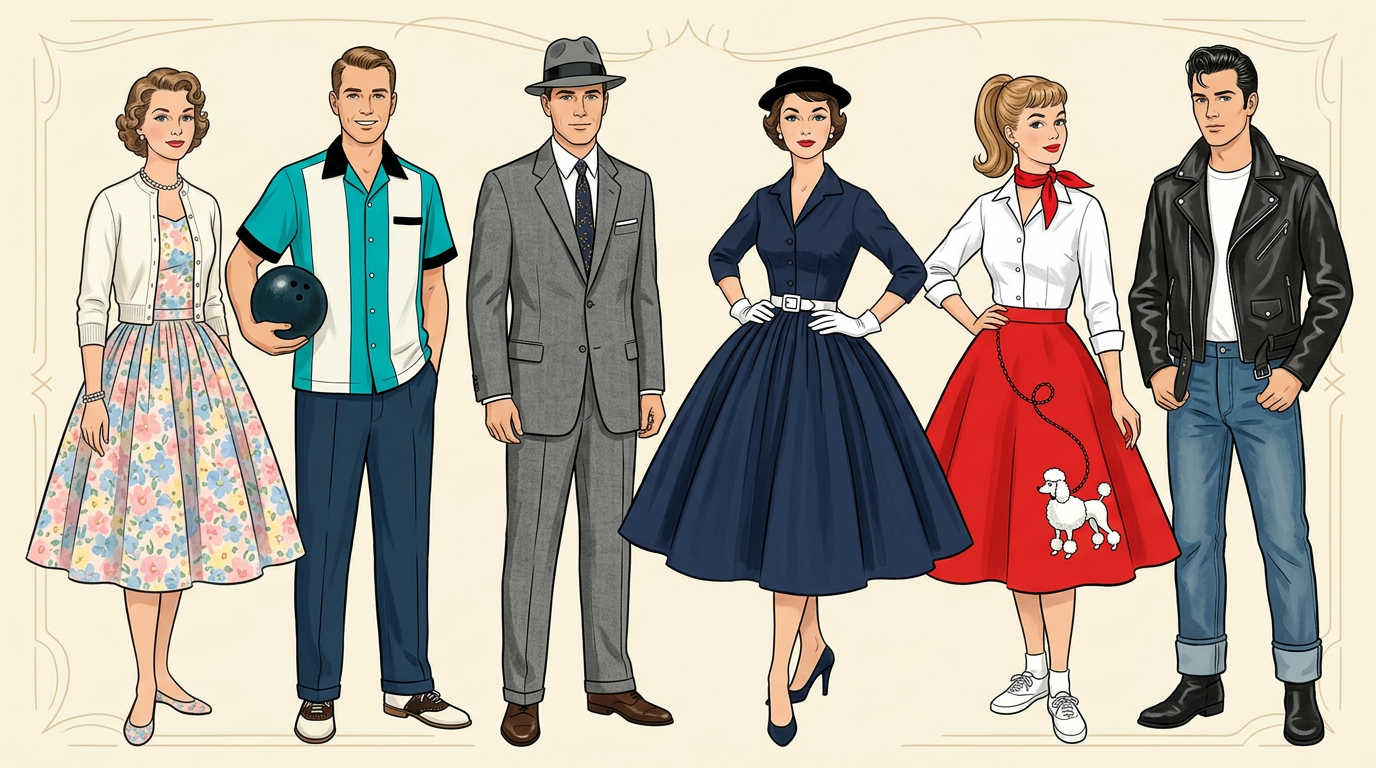

The 1950s were a decade humming with relief, renewal, and a collective desire to rebuild. After the austerity and emotional weight of World War II, people across Western nations stepped into a new era with a kind of buoyant optimism that touched everything—home life, entertainment, technology, and especially fashion. The clothes of the decade weren’t just garments; they were cultural signals, expressing hope, prosperity, and a longing for beauty after years of rationing and restraint.
A Culture Ready to Bloom
The end of the war brought a psychological shift. People wanted stability, comfort, and joy. Suburban living expanded, families grew, and consumer culture exploded. The rise of television, rock ’n’ roll, and youth identity created a vibrant cultural mix that felt fresh and full of possibility.
Three cultural forces shaped the fashion landscape:
- Economic prosperity — More disposable income meant people could buy clothes for pleasure, not just necessity.
- Technological innovation — Synthetic fabrics like nylon and acrylic made clothing cheaper, more colourful, and easier to care for.
- Gender and domestic ideals — The “perfect housewife” and “breadwinner husband” archetypes influenced silhouettes, styling, and marketing.
This optimism wasn’t universal—many groups were still fighting for rights and recognition—but the mainstream cultural mood leaned toward celebration and renewal.
Fashion as a Visual Rebound
After years of rationing, the 1950s fashion scene erupted with volume, colour, and indulgence. Designers and everyday people alike embraced clothing as a way to reclaim joy.
The New Look and the Return of Femininity
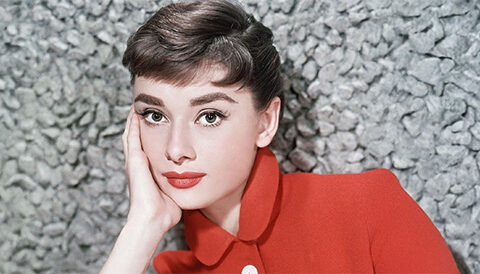
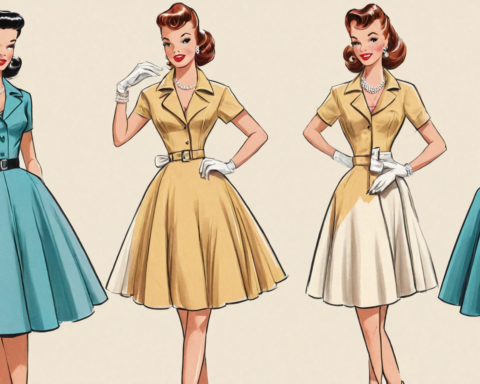
Christian Dior’s 1947 New Look set the tone for the decade: cinched waists, full skirts, soft shoulders, and an exaggerated hourglass silhouette. It was a deliberate rejection of wartime practicality.
This style expressed:
- A desire for beauty and luxury
- A celebration of femininity
- A cultural push toward domestic ideals
Women’s fashion became a canvas for optimism—florals, pastels, novelty prints, and playful accessories.
Youth Culture and Rebellion
Teenagers emerged as a distinct cultural force. Their fashion expressed freedom and identity:
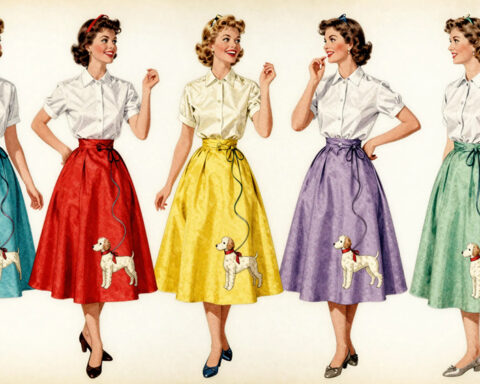
- Poodle skirts
- Saddle shoes
- Letterman jackets
- Denim and leather for the rock ’n’ roll crowd
This was optimism with an edge—young people carving out space in a world that finally had room for them.
Menswear: Clean, Confident, and Modern
Men’s fashion shifted from military uniformity to sleek civilian confidence:
- Grey flannel suits
- Casual sportswear
- Bowling shirts
- Hawaiian prints (a symbol of escapism and leisure)
The look was tidy, structured, and quietly prosperous.
Colour and Pattern Explosion
The palette of the decade was a direct emotional response to wartime drabness:
- Mint, lemon, baby blue, and blush
- Cherry red and turquoise
- Atomic prints, boomerangs, starbursts, and geometric motifs
Homes and wardrobes alike became brighter, louder, and more playful.
Everyday People and the Emotional Impact
The optimism of the 1950s wasn’t just aesthetic—it was deeply emotional. People were rebuilding their lives, families, and futures. Fashion became a way to express:
- Relief — Soft fabrics, flowing skirts, and relaxed menswear signalled comfort.
- Hope — Pastels and novelty prints reflected a desire for joy.
- Identity — Youth fashion showed individuality and rebellion.
- Stability — Structured silhouettes mirrored the cultural push toward order and domestic harmony.
Even those who couldn’t afford couture participated through home sewing, pattern magazines, and department store catalogues. Fashion democratized beauty and optimism.
The Legacy
The 1950s remain iconic because they capture a moment when society collectively exhaled. The decade’s fashion tells a story of people eager to celebrate life again—through colour, shape, and style. It was a cultural reset that still influences modern fashion cycles, from retro silhouettes to novelty prints and the enduring appeal of mid‑century aesthetics.