
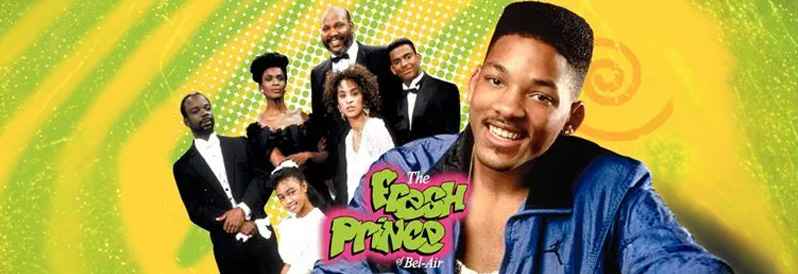

The Fresh Prince of Bel‑Air wasn’t just a sitcom; it was a cultural engine. Airing from 1990 to 1996, it captured the social tensions, aspirations, and aesthetics of the decade with a clarity few shows matched. Its fashion wasn’t background decoration—it was narrative, identity, and commentary. Below is a structured, fashion‑history‑driven exploration of how the show reflected the social impacts of the 1990s, how it represented the fashion of its time, and how it influenced audiences and the broader fashion landscape.
The 1990s Social Landscape: Why Fresh Prince’s Fashion Mattered
The early 1990s were defined by shifting cultural identities, rising hip‑hop influence, and a growing conversation about class mobility and race in America. Fresh Prince placed those themes front and center through clothing.
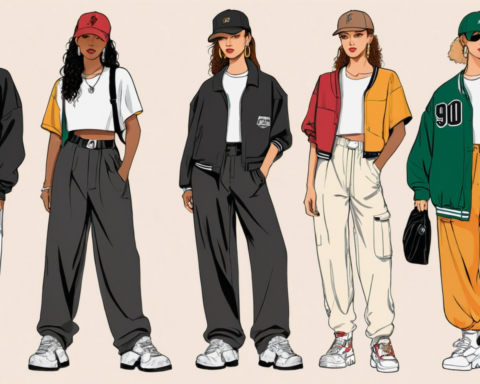
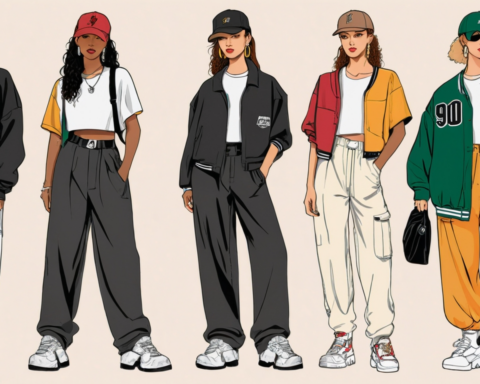
- Hip‑hop’s rise as a cultural force Streetwear was becoming a legitimate fashion language. Oversized silhouettes, bold prints, and athletic wear weren’t just trends—they were expressions of youth identity, rebellion, and pride. Will’s wardrobe embodied this shift, making hip‑hop fashion visible to mainstream audiences who had never encountered it before.
- Class contrast as visual storytelling The Banks family represented upper‑middle‑class Black success, a counter‑narrative to stereotypes of the era. Their polished prep aesthetic—tailored blazers, pearls, loafers—was a deliberate visual statement. Will’s streetwear clashed and harmonized with this world, creating a fashion‑based dialogue about assimilation, authenticity, and belonging.
- Race, representation, and visibility Fresh Prince showcased Black fashion creativity at a time when mainstream media rarely did. Clothing became a tool for expressing cultural pride, individuality, and the multiplicity of Black identity.
Fashion on the Show: A 1990s Style Archive
Fresh Prince is a treasure trove of 1990s fashion. Each character embodied a distinct style archetype of the decade.
Will Smith: The Streetwear Vanguard
Will’s wardrobe was a masterclass in early‑90s streetwear:
- Neon and primary‑color palettes
- Oversized graphic tees
- Reversible jackets with loud prints
- High‑top sneakers (Nike Air Jordans, Fila, Reebok Pumps)
- Baseball caps worn sideways or backwards
- Baggy shorts and denim
His style reflected the era’s shift toward expressive, youthful, and athletic fashion. It also mirrored the growing influence of hip‑hop artists like DJ Jazzy Jeff & The Fresh Prince, TLC, and A Tribe Called Quest.
Carlton Banks: The Preppy Traditionalist
Carlton’s fashion was intentionally conservative:
- Polo shirts and cable‑knit sweaters
- Khakis and loafers
- Blazers and ties
- Muted color palettes
His wardrobe represented the aspirational prep aesthetic of the 1990s—think Ralph Lauren, Brooks Brothers, and Tommy Hilfiger. Carlton’s style visually reinforced his character’s alignment with traditional institutions and middle‑class respectability.
Hilary Banks: The 90s Luxury Fashion Icon
Hilary’s fashion was peak 1990s high‑glam:
- Power suits with shoulder pads
- Mini skirts and matching sets
- Bold hats and statement accessories
- Designer labels (Chanel, Moschino, Versace‑inspired silhouettes)
She embodied the era’s growing fascination with luxury branding and the rise of the “It Girl” archetype.
Ashley Banks: The Teen Trendsetter
Ashley’s evolution mirrored 90s teen fashion:
- Floral prints and denim
- Crop tops and chokers
- Later, more mature R&B‑influenced looks Her style reflected the decade’s shift toward girl‑powered fashion influenced by Aaliyah, Brandy, and Destiny’s Child.
Influence on Audiences and Fashion Culture
Fresh Prince didn’t just reflect fashion—it shaped it.
1. Mainstreaming Streetwear
Will Smith helped bring streetwear into suburban homes. His looks made bold, hip‑hop‑rooted fashion acceptable, even aspirational, for audiences who had never engaged with it before.
2. Inspiring Youth Identity
Teen viewers adopted Will’s expressive style as a form of self‑definition. His clothing communicated confidence, humor, and individuality—qualities young audiences wanted to emulate.
3. Elevating Black Fashion Visibility
The show showcased Black designers, stylists, and cultural aesthetics. It helped normalize Black fashion creativity in mainstream media, influencing future shows like Moesha, Sister, Sister, and Insecure.
4. Reviving 90s Fashion Today
Fresh Prince aesthetics are now central to modern nostalgia cycles:
- Retro streetwear
- Color‑blocked windbreakers
- Bucket hats
- Vintage Jordans
- Oversized graphic prints
Brands like Nike, Guess, and Tommy Hilfiger have reissued 90s‑inspired collections that echo the show’s wardrobe.
Why Fresh Prince Still Matters in Fashion History
Fresh Prince of Bel‑Air is a case study in how fashion can communicate identity, class, culture, and generational change. It captured the tension between tradition and rebellion, aspiration and authenticity, and used clothing as a visual language to explore those themes.
Its legacy lives on in:
- The continued dominance of streetwear
- The blending of luxury and casual fashion
- The celebration of bold color and pattern
- The visibility of Black cultural aesthetics in global fashion
The show didn’t just dress its characters—it dressed a decade.




[…] Smith (Fresh Prince Era) – His vibrant, oversized streetwear style helped define casual ‘90s […]
[…] Smith, especially in The Fresh Prince of Bel-Air, popularized brightly colored tracksuits, athletic sneakers, and sporty baseball caps, giving […]